If you’ve followed MODULAR5® for a while, you know we believe that modular product design is the key to increasing revenue, product quality, and margins, especially for companies operating in low-volume/high-mix markets with complex and varied products.
There is an effect that we do not often post about. This is the catalyst for growth. In this article, we will explore the reduction of working capital locked in your operations.
What Is Modular Design?
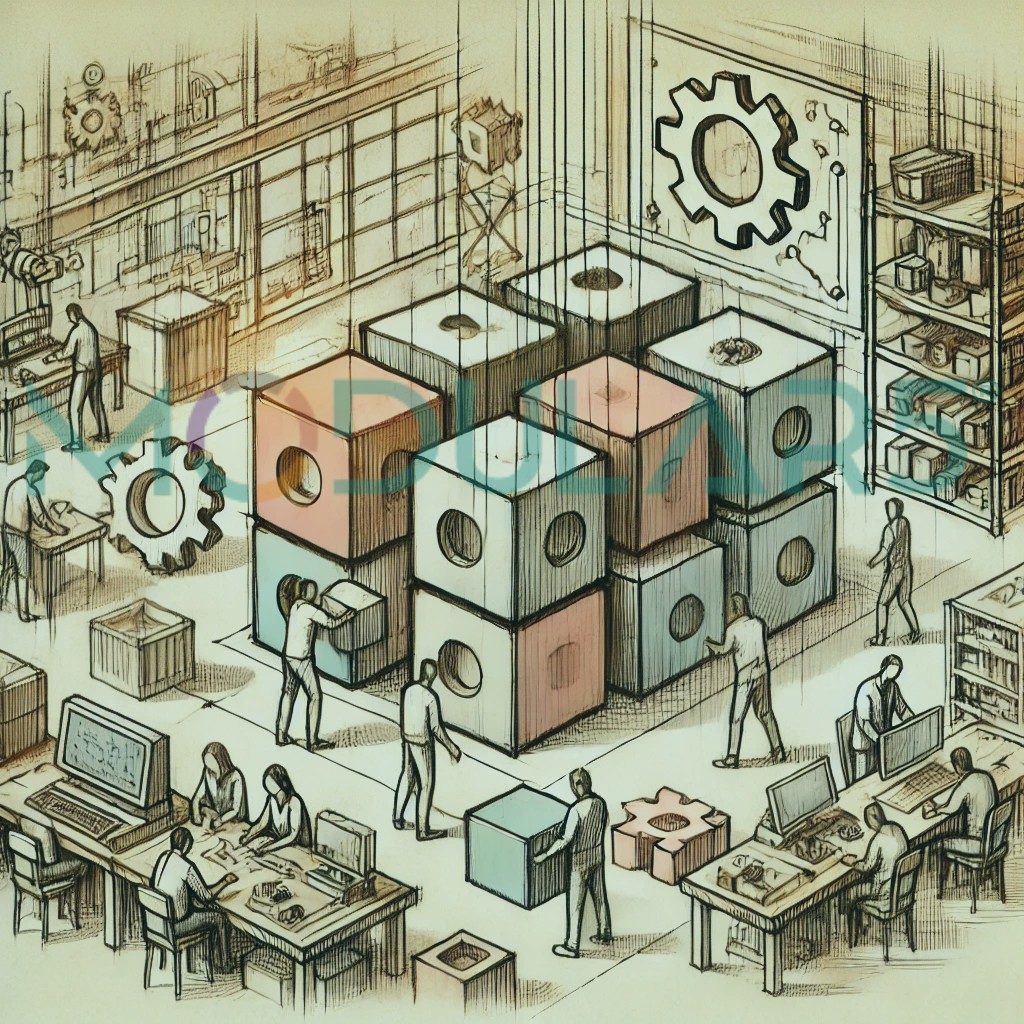
Modular design is all about standardising your product structure from the sub-assembly level downwards. Instead of designing each product to order, you use standardised building blocks or modules that can be reused across different products. These modules are like Lego pieces—they can be combined in various ways to create a multitude of products.
This approach offers significant benefits, particularly for companies dealing with:
- Low Production Volumes: Businesses that handle few annual projects, but each project is unique and significant.
- High Product Complexity and Variety: Products that require intricate designs and come in many different variants.
- Low-volume/high-mix markets: This is combining the previous challenges. Add the global competition that leads to downward pressure on prices while many companies face rising labour, energy, and facilities costs, to name a few, and it is clear why many opt to design a product for each order.
Implementing modularization can streamline these companies' design and manufacturing processes, leading to substantial cost savings and efficiency improvements.
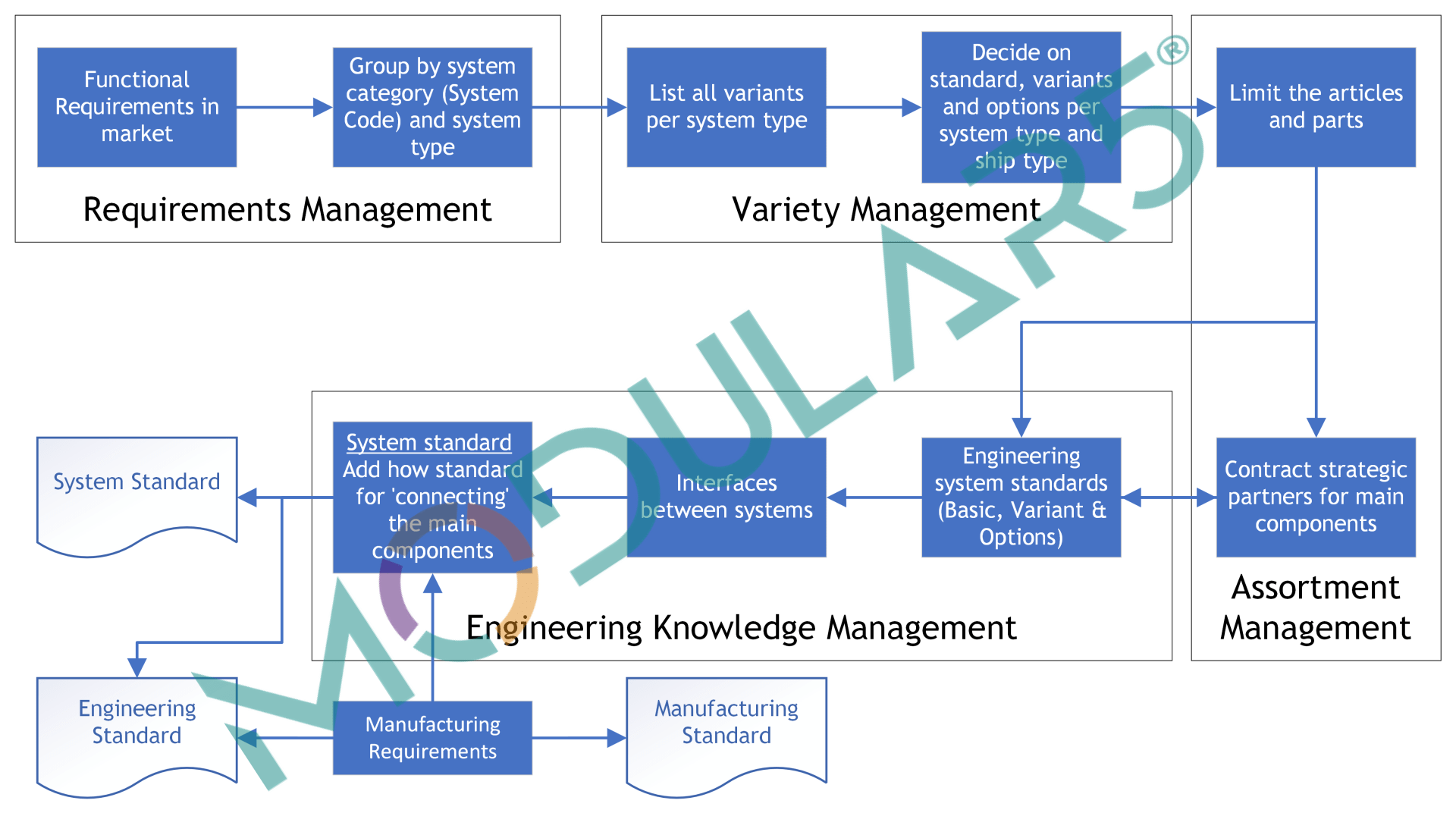
Modularised organizations shift from engineering-to-order to configure-to-order; they standardise while offering clients fit-for-purpose products.
Where Is Your Capital Tied Up?
In the day-to-day operations of manufacturing and industrial companies, a significant amount of cash gets locked in various areas to keep things running smoothly. Let’s break down where this capital is allocated:
- Materials, Parts, and Equipment in Stock:
The cost of holding stock is often overlooked and underestimated during decision-making. Stocks are inevitable. Minimising the stock frees
- Future Projects: Companies keep a stock of materials and parts to be ready for upcoming projects.
- Late Client Change Requests: Customers often request changes while their order is being constructed. In some cases, parts or equipment that have already been acquired are replaced. While the client pays for the replacement, the obsolete parts are stored in the warehouse and consume resources.
- Minimum order quantity surplus: When a project requires less than the minimum order quantity, the remainder of the order is stored for future projects.
- Resources allocated to warehousing processes: Holding stock is costly. The warehouse's space is unproductive, while the building and equipment require CAPEX to implement and OPEX to maintain.
The warehouse is staffed to ensure the correct items are issued to production at the right time.
At least once per year, the facility is closed off to count all items and reconcile the correct value in the company’s financial accounts.
- Opportunity cost: Imagine you can eliminate the warehouse. The space and (human) resources can be allocated to revenue-generating activities. The absolute gross margin increases while the overhead decreases, immediately increasing the company’s bottom line.
- Labour and Material Costs in Production:
- Work-in-Progress (WIP): Money is tied up in products currently being manufactured.
- Labour Costs: Higher skilled workers are employed to handle complex, custom build. Increased standardization enables companies to hire low(er) skilled workers and task their higher-skilled people to critical-to-quality tasks.
- Inefficiencies: Without standardization, processes take longer, increasing labour costs and locking the cash for longer.
- Prepayments to Suppliers:
- Upfront Payments: Suppliers often require higher or full prepayments for custom or specialised parts.
- Cash Flow Impact: These payments reduce capital available for other operational needs.
- Higher Prices Without Standardisation:
- Custom Parts Cost More: Unique components are more expensive to produce and procure.
- Lack of Economies of Scale: Small order quantities don’t benefit from bulk purchasing discounts.
- Increased Overhead: Managing a wide variety of parts and processes adds to administrative costs.
How Modular Design Frees Up Capital
Introducing standardization through modular design can significantly decrease these costs, both directly and indirectly. Here’s how:
Direct Cost Reductions
- Reduced Inventory Costs:
- Fewer Unique Parts: Standard modules reduce the need to stock a vast array of different components.
- Simplified Stock Management: Managing inventory becomes easier and less costly.
- Lower Storage Requirements: Less space is needed to store standardised modules than custom parts.
- Lower Production Costs:
- Efficient Manufacturing: Reusing modules speeds up the production process.
- Reduced Labour Hours: Workers become more efficient when assembling familiar modules.
- Less Training Required: Standard processes mean new employees can get up to speed faster.
- Bulk Purchasing Power:
- Supplier Discounts: Buying standard parts in larger quantities often leads to lower prices.
- Better Supplier Relationships: Consistent orders can lead to more favourable terms. Vendors are willing to stock items they know you will take off their hands in a reasonable time.
- Reduced Shipping Costs: Bulk orders reduce the frequency and cost of shipments.
- Reuse of design and production planning information:
- Configure to order: Engineering uses standard building blocks to configure the product to meet the customer’s needs.The design information and material requisitions are issued to production planning within days after the order is confirmed, reducing the cost of rush orders. The designers can focus on the customizations ordered by the client.
- Production planning: The needed purchase and work orders and work instructions only need to be tied to the project; no (major) updates are needed.
Indirect Cost Reductions
- Shorter Project Durations:
- Faster Assembly: Using standard modules accelerates the build process.
- Quicker Time-to-Market: Products reach customers faster, improving revenue cycles and decreasing the time between the cash-out to suppliers and staff and the cash-in of client payment.
- Enhanced Flexibility: Adjusting production schedules is easier when dealing with standard modules. The factory staff spends less time waiting for parts and documents.
- Less Waste and Rework:
- Improved Quality Control: Standardisation reduces the chances of errors. Repairs are costly as they disrupt the flow of production. The staff allocated to fixing defects stops their scheduled work, must get the tools and materials needed for the rush remedy, execute the fix, clean the work area, return the tools, and resume their ‘normal’ work.
- Material Savings: Less scrap material due to consistent processes.
- Environmental Benefits: Reduced waste contributes to sustainability goals.
- Improved Planning and Forecasting:
- Predictable Production: Standard modules make it easier to plan manufacturing schedules. Excess capacity can be utilised to produce parts with a high turnover.
- Accurate Cost Estimates: Knowing the costs of modules helps in budgeting and pricing.
- Better Maintenance Planning: Standard parts simplify maintenance and repair operations.
The Ripple Effect on Operations
The benefits of modular design extend beyond immediate cost savings. They have a profound impact on the overall efficiency and productivity of your operations.
- Improved Manufacturing Productivity:
- Streamlined Processes: Standardisation simplifies manufacturing steps.
- Automation Opportunities: Repetitive tasks can be automated more easily.
- Reduced Downtime: Less time is spent switching between different setups, increasing the Overall Equipment Effectiveness (OEE).
- Enhanced Product Lifecycle Management:
- Easier Updates: Upgrading modules is simpler than redesigning entire products. The final product benefits immediately from improved module functions.
- Extended Product Lifespans: Modules can be replaced or updated individually. Customers can invest in an upgrade of their equipment at a fraction of the cost of new equipment.
- Consistent Quality and Performance: Standardised modules ensure consistent quality across products. The modules' performance is predictable and known. Less extensive factory and site acceptance testing is required since the units’ functioning is well documented.
- Innovative Mechatronic Solutions:
- Integrated Systems: Combining mechanical, electrical, and control systems becomes more efficient. Improving a functional and effective design is more efficient.
- Flexibility in Design: Modules are reconfigured to create new products, and new modules are easily added to the portfolio to meet new and evolving market demands.
- Future-Proofing: Standard modules can be designed with scalability in mind.
- Higher Customer Satisfaction:
- Faster Delivery Times: Clients receive their products sooner. They can benefit from delaying their decision or monetising their assets sooner after they place the order.
- Customisation with Standard Modules: Clients still get tailored solutions without the drawbacks of custom builds.
- Reliable Performance: Standardised modules have been tested and proven, increasing reliability.
Takeaways
- Modularisation Is a Strategic Advantage: It’s not just about design; it’s about transforming your business operations.
- Standardised Building Blocks Reduce Operational Capital: Less money is tied up in inventory, production, and supplier payments.
- Ideal for Low-Volume/High-Mix Markets: Companies with complex and varied products benefit the most from modular design.
- Enhances Productivity and Reduces Costs: Both direct and indirect costs are lowered, improving the bottom line.
- Facilitates Innovation: Modular design allows for easier integration of new technologies and systems.
The bottom line is that modularization frees cash and resources to grow your business.
Next Steps: Let’s Transform Your Operations
If you’re ready to improve product design efficiency, optimise manufacturing processes, and implement modular design strategies, we’re here to help. Our team of experts specialises in:
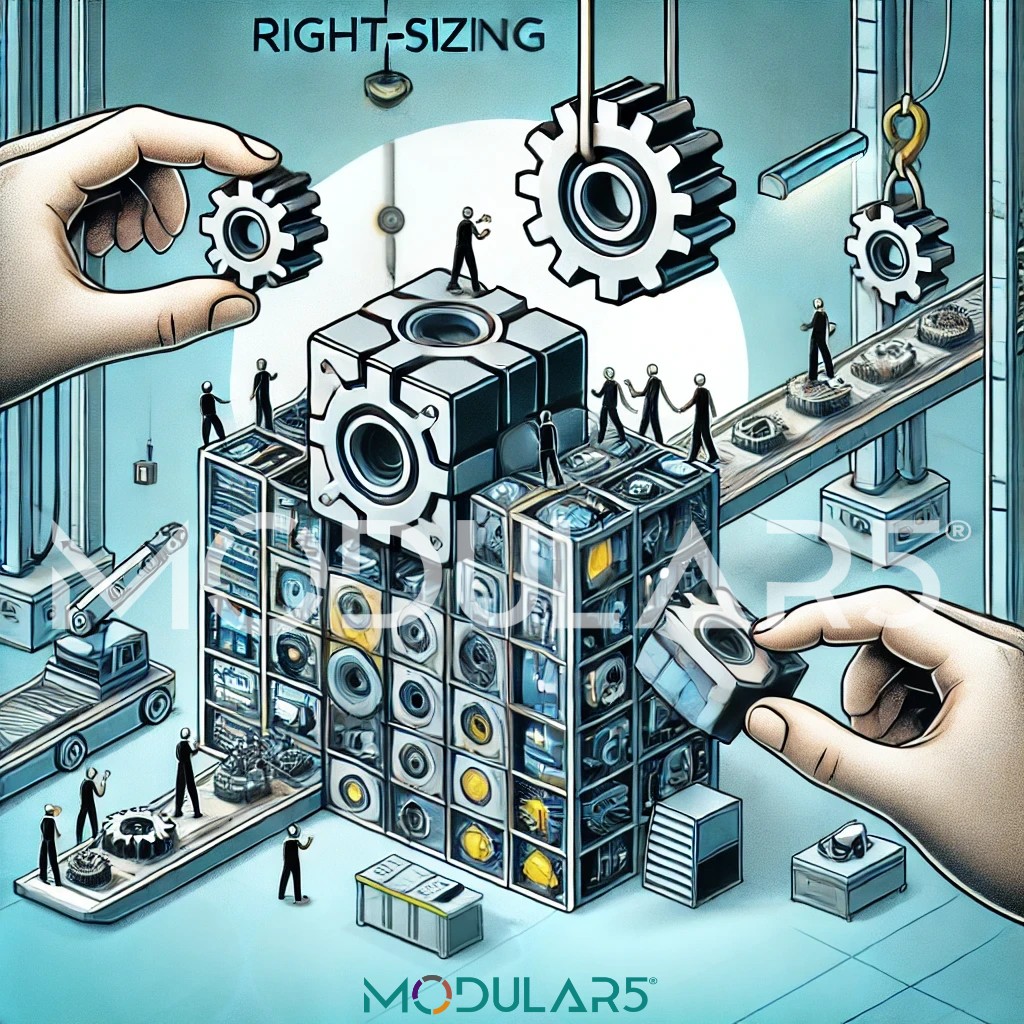
- Establishing a robust and future-proof modular architecture: Determining the right size modules is not trivial. Too large modules are too complex. With oversized building blocks, each order needs bespoke designed modules, increasing the challenges faced in an engineering-to-order setting.
On the other hand, small modules increase the efforts of maintaining and updating the modules. Each module is infrequently utilised, so the benefits of economy of scale are wasted.
Our specialists can guide your teams through the steps to right-size your modular setup and ensure you reap the benefits of your efforts. - Scaling revenue by leveraging a product configurator: Implementing a modular product setup shifts the sales conversation from discussing technical solutions to functions. The clients share their use cases, and the final product is configured to fulfil them. Sales managers spend less time per client and can, therefore, serve more (potential) customers.
In an engineering-to-order environment, technical specialists are needed early in the sales cycle to assess the viability of the client’s needs.
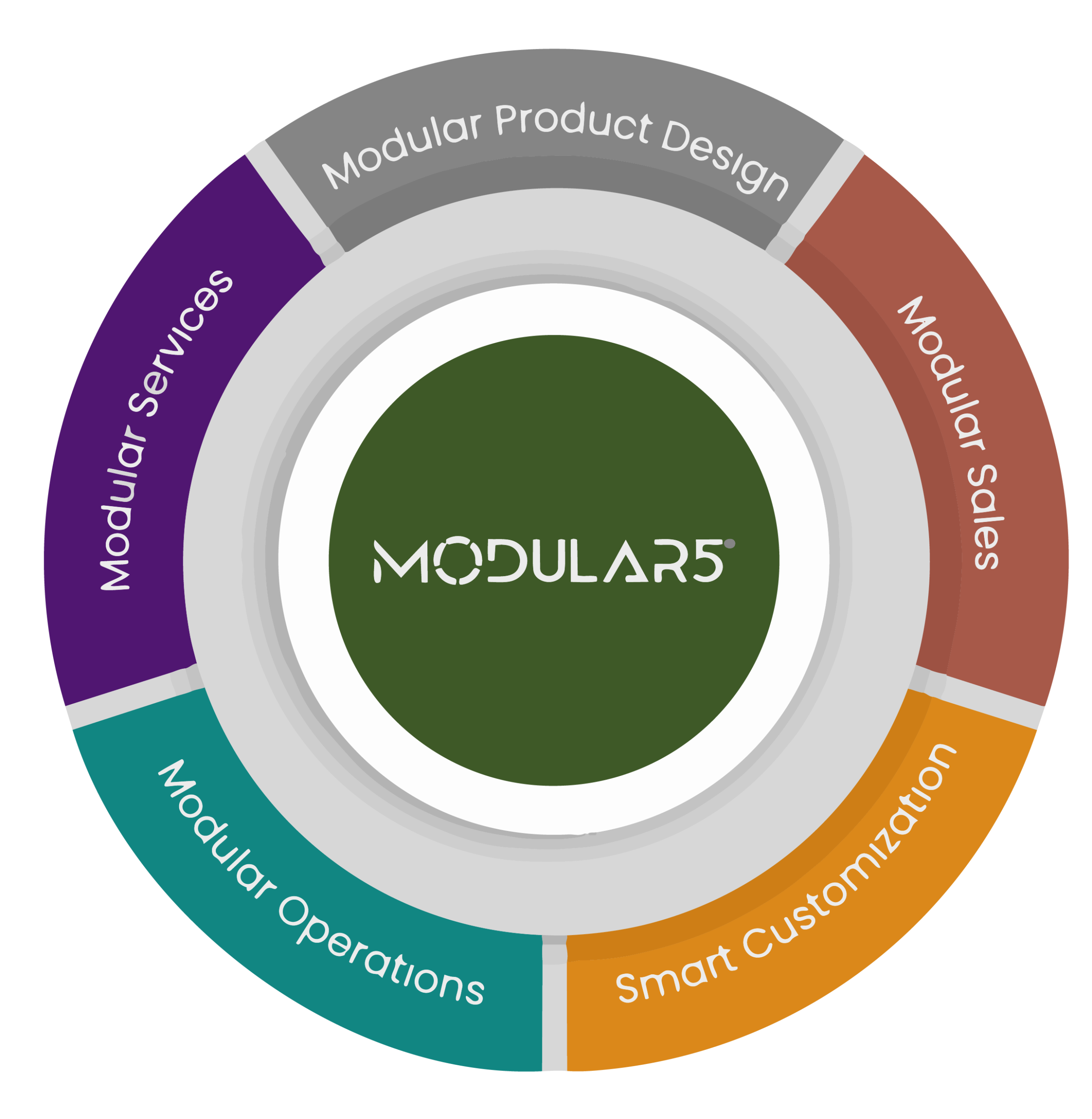
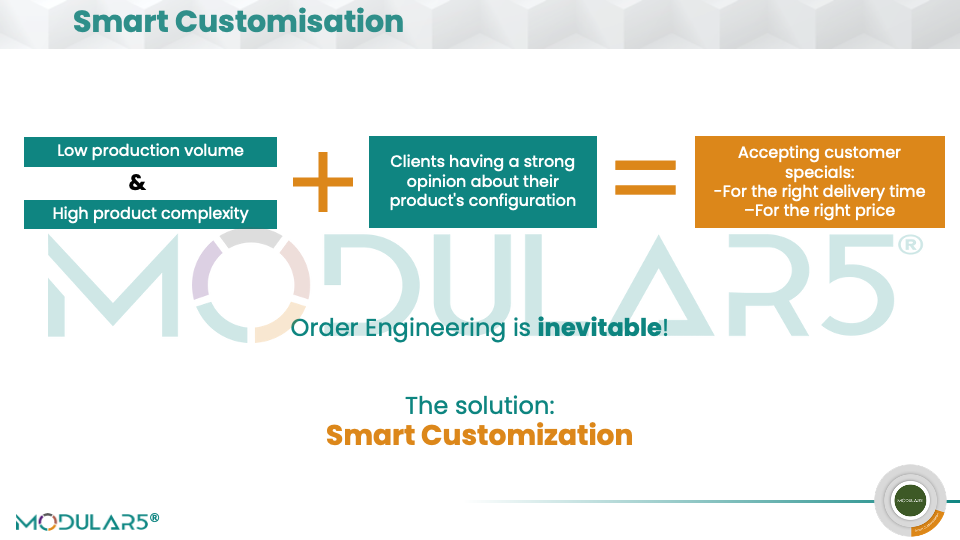
With a product configurator, the specialists are only needed late in the sales process to finalise the clients’ customizations. - Smart customization: Customisations can upset the operational flow if the bespoke needs are placed wrongly in the product structure. The trick is to set up the product structure so special requests are implemented at the latest possible moment in the product’s construction process. This way, the bespoke solution can be designed, planned, sourced, and built while the standard process continues without interference.
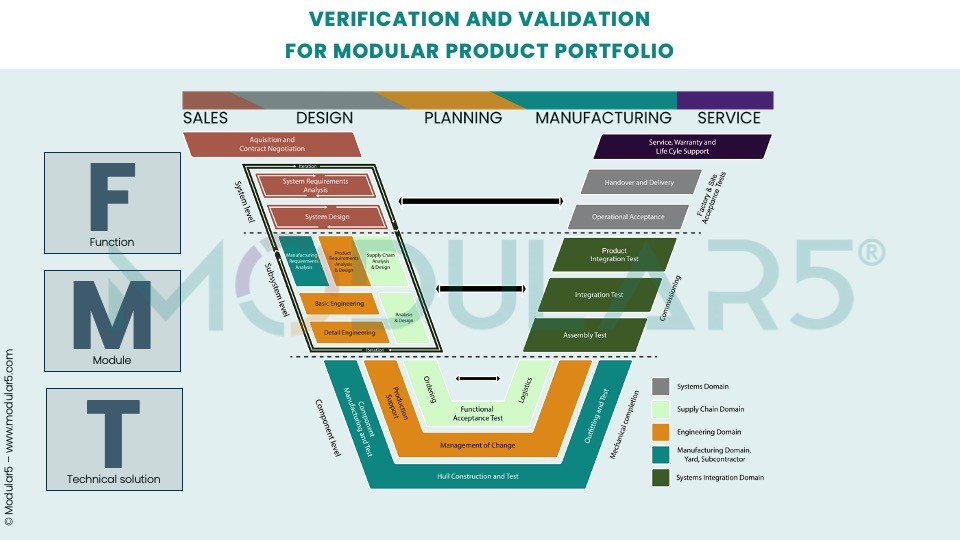
- Detailed engineering: Designing the modular portfolio is an up-front engineering effort. Most of our clients’ design departments are overstretched, serving the running projects. Our team of specialist and affordable engineers have delivered many detailed mechatronic designs for modular portfolios in various industries.
👉 Don’t let capital remain locked in inefficient operations. Innovate with mechatronic solutions and unlock your company’s full potential. Book a call on our contact page to explore how we can help.