A machine that doesn't meet the customer's expectations is a disaster. For your customer, for your team, and for your reputation. Yet, this happens often—not because companies are careless but because verification and validation (V&V) don't receive enough attention during product development.
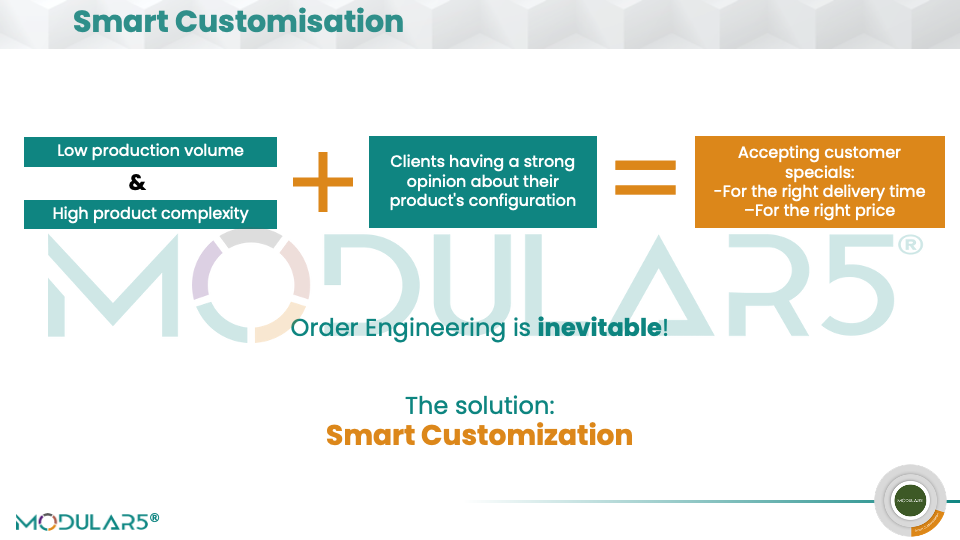
This issue is especially significant for companies that design and build one-off or highly customised products. Product variability and high time pressure often prevent engineering from properly validating designs. It's not that nothing is done; the process is usually less formal and structured.
What happens next is something we all recognise: chaos. The product doesn't work as promised, the customer gets angry, and your team spends valuable hours finding the root cause. Meanwhile, your reputation suffers, and the next project gets delayed.
It doesn't have to be this way. With modular product designs, combined with a robust verification and validation process, you can prevent errors and save significant time and money.
What is Verification and Validation?
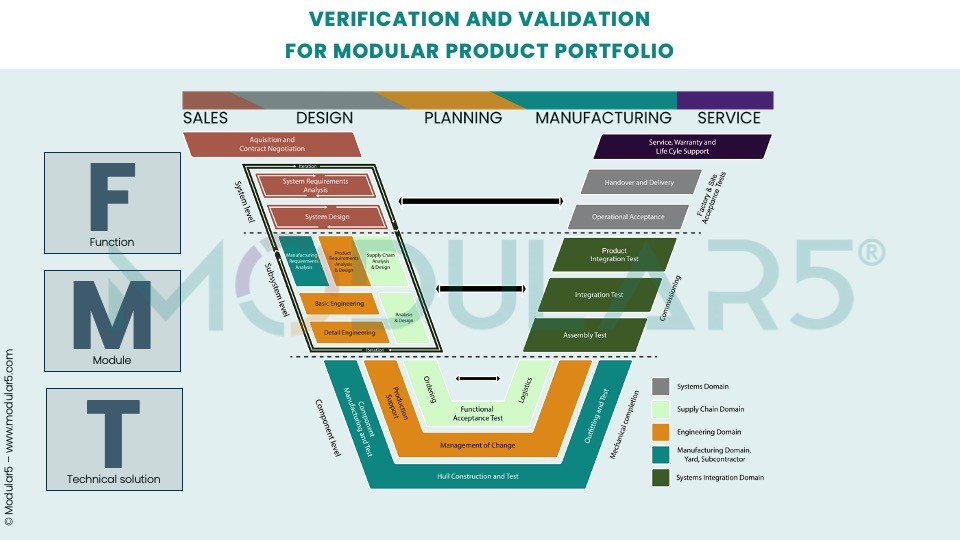
Verification and validation (V&V) are terms often used interchangeably but serve distinct purposes. Together, they are the backbone of any effective product development process, particularly for complex systems.
What is Verification?
Verification asks, "Are we building the product correctly?"
This involves checking whether the product meets its design and specification requirements. Verification ensures that everything is executed as planned without focusing on how the product performs in real-life applications.
For example:
- Reviewing a technical drawing to ensure it matches the design specifications.
- Testing a module to confirm it functions as designed, such as a motor delivering the specified power output.
Verification focuses on internal quality. Its goal is to ensure the process and design are correctly executed before moving to the next stage.
What is Validation?
Validation asks, "Are we building the right product?"
This involves testing whether the product meets the customer's needs and functions as intended. Validation evaluates the functional performance and usability of the end product in its actual environment.
For example:
- Testing a robotic arm to see if it moves smoothly and accurately as the customer expects.
- Validating a software module in a control system to check if it communicates correctly with the hardware.
Validation focuses on external quality. Its goal is to confirm that the product delivers real value to the customer.
The Difference Between Verification and Validation
- Verification focuses on internal design and production processes, serving as an early check for errors.
- Validation focuses on the end result and functional performance, ensuring the product works as intended.
Both steps are essential. Skipping verification risks letting design flaws flow into production while skipping validation means discovering issues only when the product reaches the customer.
Why Are Verification and Validation So Important?
Especially in mechatronic systems—where mechanical, electrical, and software components must work together seamlessly—errors in one part can cause the entire system to fail.
Verification ensures your system is built on a solid foundation. Validation provides confidence that your solution functions and adds value. Together, they minimise risks, reduce costs, and strengthen your reputation.
The Challenge of V&V
Mechatronic systems are inherently complex. They combine mechanical components, electronics, and software; every part must work flawlessly.
This complexity makes them challenging to manage. A small error in one subsystem can lead to the failure of the entire system. Once everything is assembled, Such errors are discovered only at the end of the process.
The problem is that V&V often doesn't play a central role in the design phase. Many companies treat it as a last-minute checklist item. But this approach doesn't work. If an error is discovered late, you lose control over costs, and your timeline suffers.
For companies working with one-off or small-series production, the challenges multiply. Each product requires new testing because there's no standard base to rely on, making the process costly, unpredictable, and frustrating.
Modularisation: The Key to Efficiency
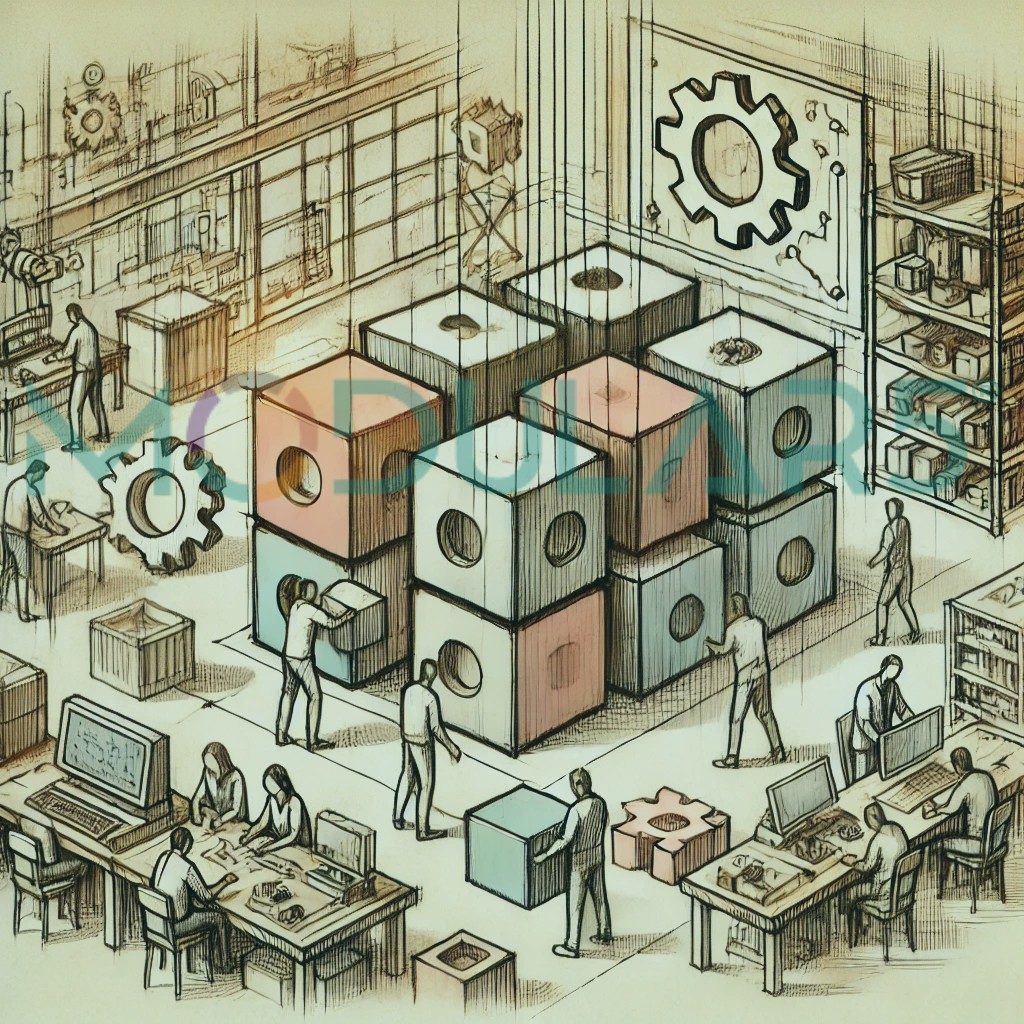
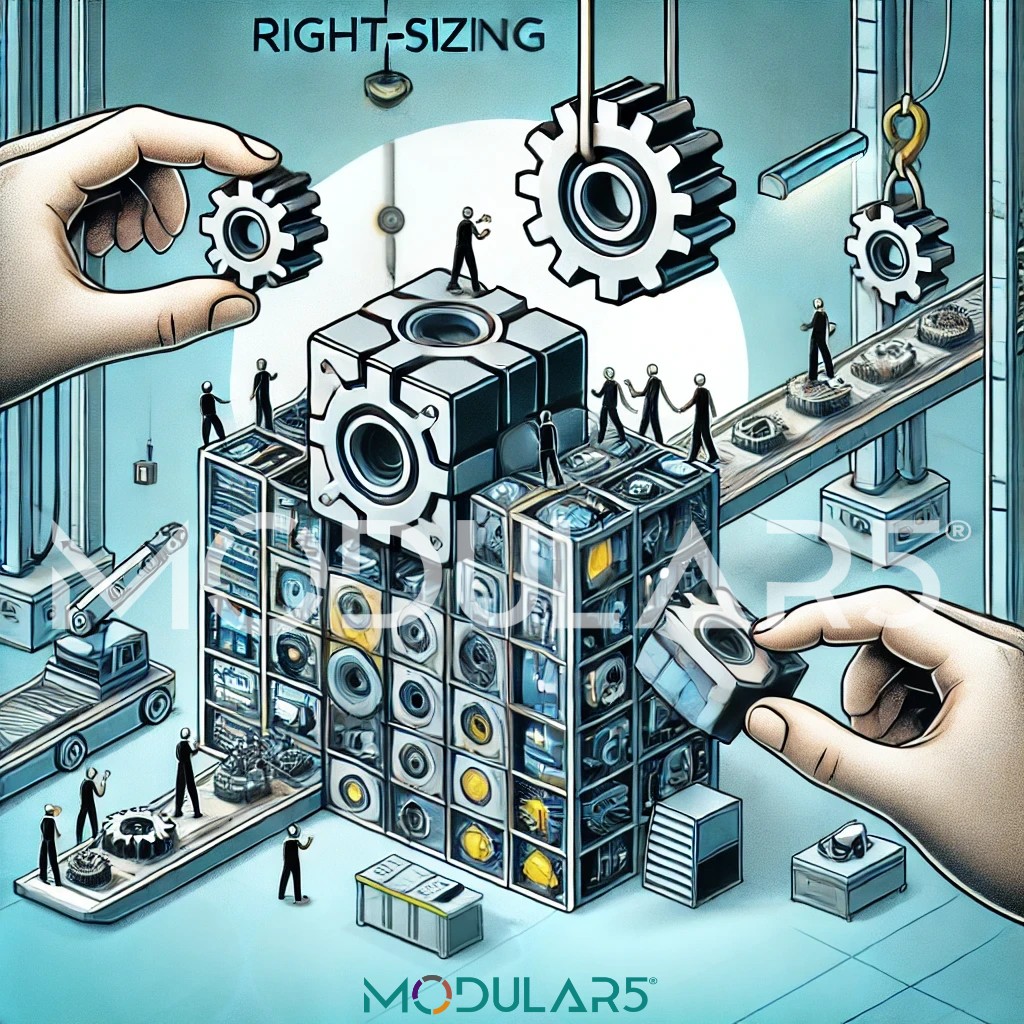
This is where modularization makes a difference. Imagine a product as a collection of building blocks. Each block is a module with a specific function and well-defined interface specifications.
You can design, build, and test each module individually with modular designs. Verification ensures the module meets its design specifications. Only once the modules are verified do you integrate them into a larger system for validation.
Modularisation also offers scalability. Once a module is validated and "frozen," it can be reused multiple times.
Key advantages of modularization include:
- Lower costs: You only need to verify if reused modules were produced correctly. You don't need to revalidate their functionality.
- Predictable performance: Reusable, validated modules ensure consistent quality across products.
These benefits add to the cost savings of standardization while still allowing customers the flexibility to configure tailored solutions. In other articles on our website, we explore the impact of modularization on business processes and outcomes. Below are some examples with hyperlinks to the articles:
- How modularization can improve gross margins fivefold, and how the additional margin generated by modular operations can fund the development of your modular product portfolio.
- Each module has a 'value driver': customer intimacy, product leadership, or operational efficiency.
- Companies achieve growth by implementing a modular product structure and a product configurator.
- During the design of standardised modules, the environmental impact can be incorporated as a design parameter more efficiently and cost-effectively.
Practical Applications
Imagine developing a robotic arm for an industrial application. The system includes a motor, a mechanical arm, and a software interface.
Using modularization, you test these modules individually.
- The motor undergoes thorough verification to ensure it meets specifications like speed and torque.
- The arm is validated for durability and motion range.
Once the modules pass these tests, they are assembled, and the system as a whole is validated. While the initial process requires time and effort, subsequent production cycles require significantly less testing.
The Power of Reuse
The true strength of modularization lies in reusability. Standardised components and subsystems can be used repeatedly in industries producing one-off or small-series products.
You create a library of reliable building blocks by validating a module and freezing its design. Only integration testing is needed for future projects, saving significant time and resources.
And it reduces errors. A previously validated module will perform reliably in new systems, allowing you to work more efficiently and confidently.
The Pitfalls of Traditional Approaches
Traditional design models still dominate in many industries. While effective in specific contexts, they often fall short in modern, complex manufacturing.
- Custom designs: Starting from scratch every time can lead to repeated mistakes from previous designs. Additionally, such projects are time-consuming and costly.
- Linear designs without modularization: Testing is delayed until the final stages. If errors are discovered, the entire system might need rework, which is time-consuming and expensive.
Modularisation offers the best of both worlds: the flexibility of customization with the efficiency of standardization.
Design for Validation: Starting Strong
An effective V&V process begins during the design phase. Modular designs naturally lend themselves to validation. By structuring functional requirements logically at the product and system levels, you ensure modules align seamlessly with V&V processes.
This structured approach simplifies the creation of testable modules and avoids last-minute headaches. A strong foundation ensures reliability, especially for one-off products and the first in a series.
What Does This Mean for Your Business?
Imagine saving time and money by avoiding repeated mistakes. Imagine your customers consistently receiving reliable products.
With modular product designs and a well-structured V&V model, this is possible.
The first step? Contact us for a consultation. Together, we'll make errors a thing of the past and help you deliver with confidence.